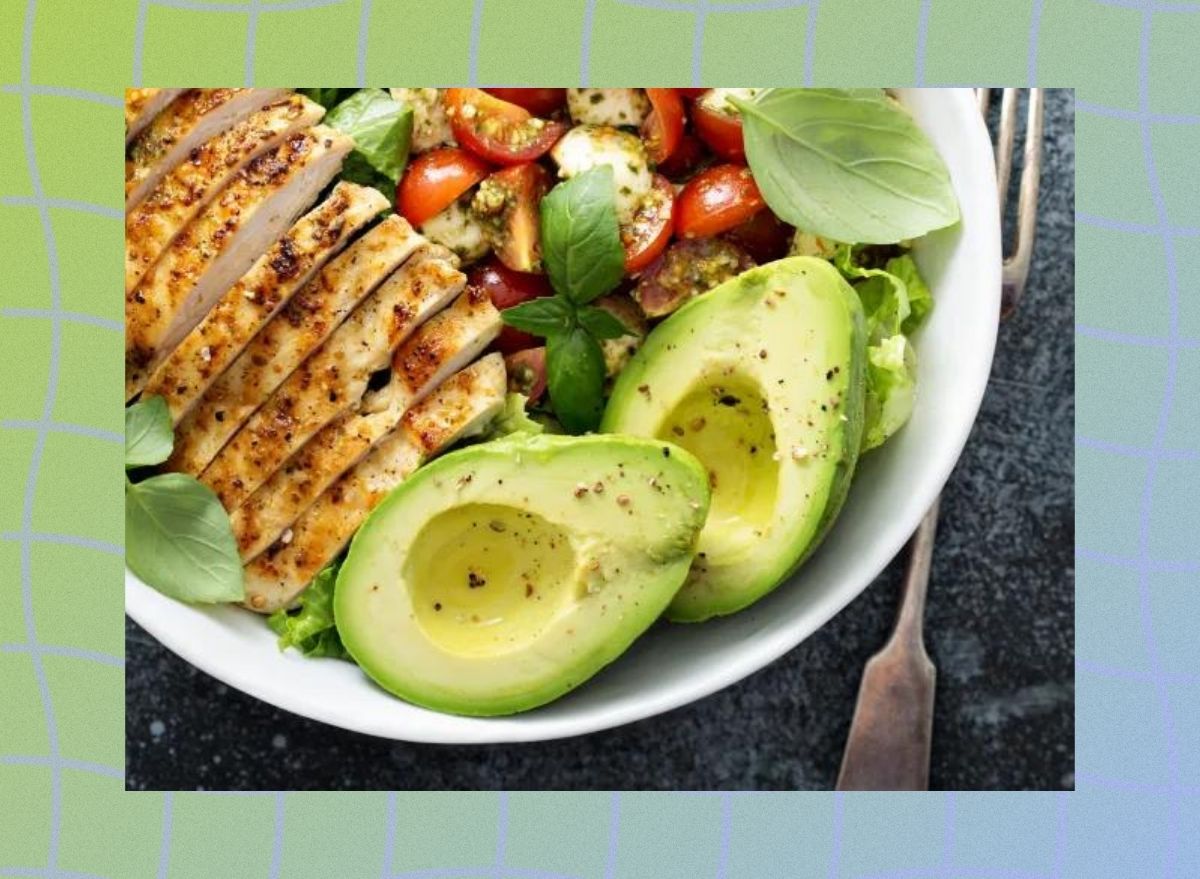
Building a successful weight loss meal plan feel good fuel strategy isn't just about counting calories; it's about nourishing your body and mind in a way that feels sustainable, energizing, and genuinely good. While the initial steps involve understanding the basic principles of healthy eating (as explored in weight loss meal plan feel good fuel - Article 1), this article dives deeper into crafting a meal plan that prioritizes nutrient density, provides practical tools for adherence, and ensures every bite contributes to your overall well-being. It's about moving beyond deprivation and embracing a vibrant approach to eating that fuels both your physical goals and your mental clarity.
Beyond Calories: The Power of Nutrient-Dense Foods in Your Weight Loss Meal Plan
In the quest for weight loss, many individuals become fixated on calorie numbers, often overlooking the profound impact of where those calories come from. A weight loss meal plan feel good fuel approach understands that 200 calories from a handful of almonds is vastly different from 200 calories from a sugary snack. The former offers healthy fats, protein, and fiber, promoting satiety and sustained energy, while the latter can lead to rapid blood sugar spikes and subsequent crashes, leaving you feeling hungry, tired, and unmotivated.
Nutrient-dense foods are those that provide a high amount of vitamins, minerals, fiber, and other beneficial compounds relative to their calorie content. Prioritizing these foods is crucial because they:
- Increase Satiety: Fiber and protein keep you feeling fuller for longer, reducing the likelihood of overeating.
- Stabilize Blood Sugar: Complex carbohydrates and fiber prevent drastic swings, leading to more consistent energy levels and fewer cravings.
- Support Metabolism: Essential vitamins and minerals are cofactors for countless metabolic processes, ensuring your body functions optimally.
- Enhance Mood and Energy: A well-nourished body experiences less fatigue and better mood regulation, making it easier to stick to your plan and engage in physical activity.
By shifting focus from mere calorie restriction to nutrient optimization, your weight loss meal plan feel good fuel transforms into a powerful tool for holistic health. You're not just losing weight; you're gaining vitality, improving digestion, and fostering a healthier relationship with food.
Crafting Your Feel-Good Fuel: Essential Components of a Sustainable Meal Plan
To truly build a weight loss meal plan feel good fuel system, you need to understand the fundamental building blocks of nutrition and how to incorporate them effectively into your daily routine. Balance is key, ensuring you get a diverse array of macronutrients and micronutrients.
Protein: The Satiety Powerhouse
Protein is non-negotiable for a successful weight loss journey. It helps preserve muscle mass during calorie restriction, which is vital for maintaining a healthy metabolism. Furthermore, protein has a high thermic effect of food (TEF), meaning your body expends more energy digesting it compared to fats or carbohydrates. Crucially, protein is incredibly satiating, helping to curb hunger and reduce overall calorie intake. Excellent sources include: lean meats (chicken breast, turkey), fish (salmon, tuna), eggs, dairy (Greek yogurt, cottage cheese), legumes (lentils, beans), tofu, and tempeh.
Fiber and Complex Carbohydrates: Sustained Energy and Gut Health
Forget the myth that all carbs are bad. Complex carbohydrates, rich in fiber, are your allies. They provide sustained energy, prevent energy crashes, and are crucial for digestive health. Fiber adds bulk to your meals, promoting feelings of fullness and aiding in healthy bowel function, which is essential for detoxifying the body and preventing bloating. Prioritize: whole grains (oats, quinoa, brown rice, whole wheat bread), fruits (berries, apples, pears), and a wide variety of vegetables (leafy greens, broccoli, sweet potatoes).
Healthy Fats: Essential for Hormones and Absorption
Healthy fats are vital for hormone production, nutrient absorption (especially fat-soluble vitamins A, D, E, K), and providing a sense of satisfaction to your meals. They slow down digestion, contributing to prolonged satiety. Don't be afraid of fats; choose the right ones in moderation. Include: avocados, nuts (almonds, walnuts), seeds (chia, flax, hemp), olive oil, and fatty fish.
Hydration: The Often-Overlooked Foundation
Water plays a critical role in metabolism, nutrient transport, and detoxification. Sometimes, thirst is mistaken for hunger, leading to unnecessary snacking. Ensuring adequate hydration is a simple yet powerful component of any effective weight loss meal plan feel good fuel. Aim for at least 8 glasses (around 2 liters) of water daily, and more if you're active.
Practical Strategies for Adhering to Your Weight Loss Meal Plan
Having the knowledge of what to eat is one thing; consistently applying it is another. These practical strategies will help you maintain your weight loss meal plan feel good fuel with greater ease and enjoyment, preventing common pitfalls that derail progress.
Meal Prepping for Success
One of the most effective ways to ensure healthy eating is to prepare meals in advance. Dedicate a few hours each week (e.g., Sunday afternoon) to:
- Batch Cooking: Cook larger quantities of protein (chicken, lentils), grains (quinoa, brown rice), and roasted vegetables.
- Chopping and Portioning: Pre-chop veggies for quick salads or stir-fries. Portion snacks like nuts or fruit into individual containers.
- Planning Ahead: Lay out your meals for the week, making grocery shopping efficient and reducing decision fatigue during busy days.
This proactive approach significantly reduces the chances of grabbing unhealthy convenience foods when hunger strikes.
Smart Snacking and Portion Control
Snacking can be a valuable part of a weight loss meal plan feel good fuel, preventing excessive hunger between meals. However, it's crucial to choose wisely and practice portion control. Opt for nutrient-dense snacks like a piece of fruit with a handful of nuts, Greek yogurt with berries, or veggie sticks with hummus. For all meals, be mindful of portion sizes; use smaller plates, listen to your body's hunger cues, and remember that it often takes about 20 minutes for your brain to register fullness.
Navigating Social Situations and Eating Out
Life happens, and you won't always eat at home. When dining out:
- Scan the Menu: Look for grilled or baked options over fried. Request sauces on the side.
- Portion Awareness: Restaurant portions are often oversized. Ask for a to-go box at the beginning of the meal and immediately put half aside.
- Hydrate First: Drink a glass of water before your meal to help with satiety.
Remember that a single meal won't derail your entire journey. It's about consistency and making the best choices possible in any given situation. For more advanced strategies and maintaining psychological well-being on your journey, look out for insights in weight loss meal plan feel good fuel - Article 3.
Mindful Eating and Hydration: Pillars of a Successful Weight Loss Journey
Beyond the "what" of your weight loss meal plan feel good fuel, the "how" you eat is equally important. Mindful eating and consistent hydration are two powerful, yet often underestimated, components that can significantly enhance your results and overall well-being.
Embracing Mindful Eating
Mindful eating is about paying full attention to your food—its colors, textures, aromas, and tastes—and to your body's internal cues of hunger and fullness. In our fast-paced world, eating often becomes a secondary activity performed while multitasking. This can lead to overeating because we're not truly registering what and how much we've consumed. To practice mindful eating:
- Eliminate Distractions: Turn off screens, put away your phone, and focus solely on your meal.
- Eat Slowly: Put your fork down between bites. Chew thoroughly.
- Savor Each Bite: Notice the flavors, textures, and sensations.
- Listen to Your Body: Eat when you're hungry, stop when you're satisfied, not stuffed.
Mindful eating fosters a healthier relationship with food, reduces stress around eating, and helps you appreciate your feel-good fuel even more.
Optimizing Hydration
We touched upon hydration earlier, but its importance warrants further emphasis. Water is not just essential for bodily functions; it plays a direct role in weight management. Drinking water before meals can help reduce calorie intake by promoting a feeling of fullness. It also aids in metabolizing stored fat and helps your body process nutrients more efficiently. Many times, what we perceive as hunger is actually mild dehydration. Simple hydration tips:
- Start your day with a large glass of water.
- Carry a reusable water bottle throughout the day and refill it regularly.
- Set reminders on your phone to drink water.
- Infuse water with fruits like lemon, cucumber, or berries for added flavor without added sugar.
Making mindful eating and optimal hydration integral parts of your daily routine will not only support your weight loss goals but also significantly contribute to how good you feel overall, truly embodying the "feel good fuel" philosophy.
Crafting a weight loss meal plan feel good fuel is an empowering journey that extends far beyond restrictive diets. It's about making conscious, informed choices that nourish your body, delight your senses, and support your long-term health goals. By focusing on nutrient-dense foods, mastering meal preparation, practicing mindful eating, and prioritizing hydration, you equip yourself with the tools for sustainable weight loss and a vibrant, energetic life. Remember, this is a continuous process of learning and adapting, and every positive choice brings you closer to feeling your absolute best. Embrace this journey with curiosity and self-compassion, and watch as your body and mind thrive on the fuel you provide.
