Mastering Your Weight Loss Meal Plan: Sustaining "Feel Good Fuel" for Life
You've embarked on your journey with a transformative approach to nutrition, understanding that a successful weight loss meal plan feel good fuel - Article 1 isn't about deprivation, but about nourishing your body and soul. In weight loss meal plan feel good fuel - Article 2, we delved deeper into specific food choices and balancing macronutrients for optimal energy and satisfaction. Now, in this third installment, we're taking the crucial next step: how to sustain this empowering lifestyle, overcome common hurdles, and truly embed "feel good fuel" into your everyday life for lasting results and genuine well-being.
The transition from understanding principles to consistent, joyful application is where many weight loss journeys falter. Our goal here is to equip you with the practical strategies and mental frameworks needed to make your weight loss meal plan feel good fuel not just a temporary diet, but a permanent, enjoyable way of living. Let's explore how to make healthy eating effortless, intuitive, and deeply satisfying.
Streamlining Your Kitchen: The Art of "Feel Good" Meal Prep
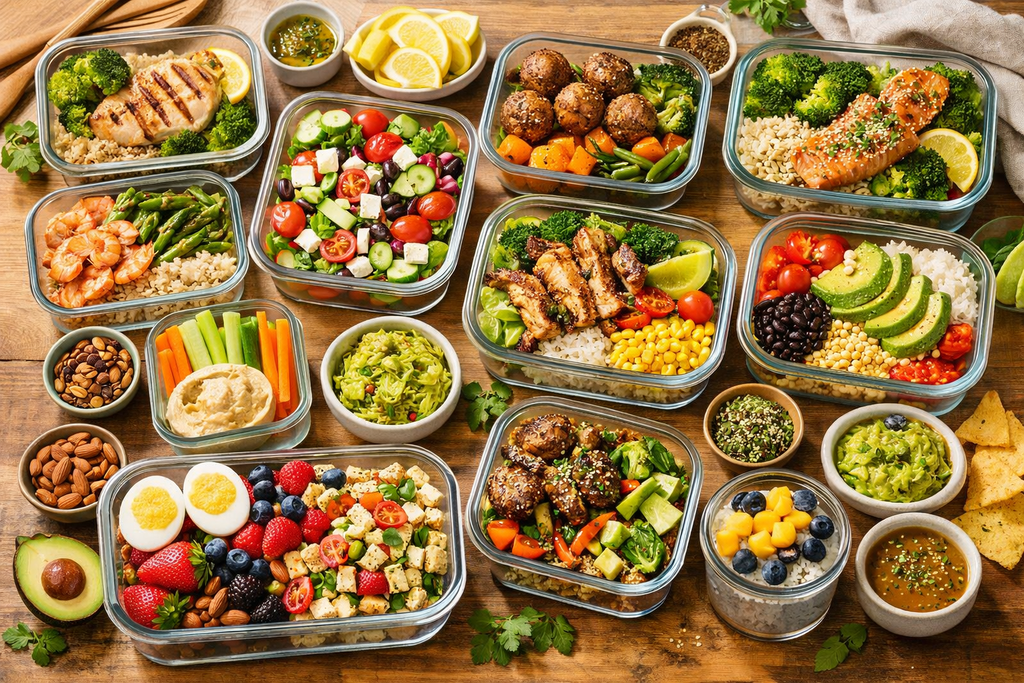
One of the biggest obstacles to consistent healthy eating is time, or rather, the perceived lack thereof. That's where strategic meal preparation comes in. Far from being a chore, meal prepping for your "feel good fuel" can be a deeply rewarding act of self-care, ensuring you always have nutritious, delicious options at your fingertips, even on your busiest days.
- Batch Cooking Staples: Focus on versatile components rather than full meals. Think about cooking a large batch of quinoa or brown rice, roasting a tray of mixed vegetables (broccoli, bell peppers, sweet potatoes), grilling or baking lean protein (chicken breast, fish, tofu), and prepping a big bowl of mixed greens. These can be combined in countless ways throughout the week.
- Smart Ingredient Choices: Prioritize ingredients that hold up well in the fridge. Root vegetables, sturdy greens like kale, cooked grains, and most cooked proteins are excellent choices. Avoid prepping delicate salads with dressing too far in advance, as they can wilt.
- Invest in Good Storage: Airtight containers are your best friends. Glass containers are excellent for reheating and sustainability, while BPA-free plastic is lighter for transport. Categorize by meal or component to make assembly easy.
- Flavor Boosters: Don't forget healthy sauces, dressings, and spices. Make a big batch of homemade vinaigrette, a versatile peanut sauce, or a simple lemon-herb marinade. These can transform simple ingredients into exciting meals, preventing palate fatigue.
- Dedicated Prep Time: Schedule an hour or two on a less busy day (e.g., Sunday afternoon) specifically for meal prep. Put on some music, involve family, and make it an enjoyable ritual. This small investment pays huge dividends throughout the week, reducing stress and improving adherence to your weight loss meal plan feel good fuel.
Beyond the Plate: Mindful Eating and Emotional Resilience
Sustainable weight loss extends far beyond what's on your plate. It deeply involves your mindset, your relationship with food, and your emotional well-being. A "feel good fuel" approach recognizes that true nourishment encompasses mental and emotional health as much as physical.
Cultivating Mindful Eating Habits
In our fast-paced world, eating often becomes an unconscious act, done while distracted by screens or work. Mindful eating invites you to slow down, pay attention, and savor your food. This practice can significantly enhance satisfaction, reduce overeating, and help you truly appreciate the "feel good fuel" you're providing your body.
- Engage Your Senses: Before you take a bite, notice the colors, textures, and aromas of your food. As you eat, pay attention to the taste, the chewing, and the sensations in your mouth.
- Eat Slowly: Put your fork down between bites. Chew thoroughly. This gives your brain time to register fullness, which typically takes about 20 minutes.
- Listen to Your Body: Distinguish between true physical hunger and emotional hunger or cravings. Ask yourself: "Am I truly hungry, or am I bored, stressed, or sad?" This self-awareness is critical for a successful weight loss meal plan feel good fuel.
- Eliminate Distractions: Turn off the TV, put away your phone, and focus solely on your meal. Make eating a sacred, undistracted time.
- Practice Gratitude: Take a moment before eating to appreciate the food and the nourishment it provides. This simple act can shift your perspective and foster a more positive relationship with food.
Navigating Emotional Eating and Cravings
Everyone experiences emotional eating or cravings from time to time. The key is to develop strategies to cope effectively without derailing your progress. Remember, your "feel good fuel" journey is about progress, not perfection.
- Identify Triggers: Keep a journal to track when and why you feel compelled to eat emotionally. Is it stress, boredom, loneliness, or fatigue? Understanding your triggers is the first step to managing them.
- Develop Alternative Coping Mechanisms: Once you identify a trigger, brainstorm non-food ways to address it. If you're stressed, take a walk, meditate, or call a friend. If you're bored, read a book, pursue a hobby, or tidy up.
- Don't Demonize Foods: Labeling foods as "good" or "bad" can create a cycle of guilt and restriction followed by overeating. Instead, focus on balance and moderation within your weight loss meal plan feel good fuel. An occasional treat, mindfully enjoyed, is part of a healthy, sustainable lifestyle.
- Hydrate: Sometimes, thirst is mistaken for hunger. Before reaching for a snack, try drinking a large glass of water and wait 15-20 minutes to see if the craving subsides.
Adapting Your "Feel Good Fuel": Overcoming Plateaus and Life's Changes
Weight loss is rarely a linear journey. There will be plateaus, travel, holidays, and unexpected life events. The beauty of a "feel good fuel" approach is its adaptability. It's not a rigid set of rules, but a flexible framework designed to support your health through all phases of life.
Adjusting When Progress Stalls
If your weight loss has plateaued for several weeks, it might be time for some strategic adjustments:
- Re-evaluate Portions: It's easy for portion sizes to creep up over time. Re-measure your food for a few days to ensure you're still aligned with your caloric goals.
- Increase Non-Exercise Activity Thermogenesis (NEAT): Can you take more stairs, park further away, stand more often, or take extra walks? Small increases in daily movement can make a difference.
- Review Macronutrient Balance: Sometimes, slightly adjusting your protein, carb, or fat ratios can help. Ensure you're getting enough protein and fiber to feel satiated.
- Prioritize Sleep and Stress Management: Chronic lack of sleep and high stress levels can hinder weight loss by affecting hormones like cortisol and ghrelin. Focus on improving sleep hygiene and incorporating stress-reducing activities.
- Vary Your Exercise: If you've been doing the same workout routine, consider trying something new to challenge your body in different ways. Incorporate strength training if you haven't already.
Maintaining "Feel Good Fuel" on the Go
Life doesn't stop for your healthy eating plan. Whether it's travel, dining out, or busy social events, you can maintain your "feel good fuel" with a little foresight:
- Pack Smart Snacks: Always carry healthy snacks like nuts, seeds, fruit, or pre-cut veggies. This prevents you from making impulsive, less healthy choices when hunger strikes.
- Research Restaurants: Look up menus online beforehand to identify healthier options that fit your weight loss meal plan feel good fuel philosophy. Don't be afraid to ask for modifications (e.g., dressing on the side, steamed vegetables, grilled instead of fried).
- Practice Moderation, Not Deprivation: At social gatherings, enjoy a small portion of a favorite treat rather than feeling completely restricted. Balance it with plenty of nutrient-dense options.
- Stay Hydrated: Drinking plenty of water is especially important when traveling or navigating social situations, helping with satiety and overall well-being.
Conclusion: Your Lifelong Journey with "Feel Good Fuel"
The journey to sustainable weight loss and optimal health with a weight loss meal plan feel good fuel is a marathon, not a sprint. It's about building consistent habits, cultivating mindfulness, and learning to adapt with grace. By mastering meal prep, fostering a positive relationship with food through mindful eating, and embracing flexibility, you're not just losing weight; you're building a foundation for a healthier, happier, and more energetic life. Embrace the process, celebrate every small victory, and remember that true "feel good fuel" nourishes every aspect of your being, allowing you to thrive for years to come.
